
Common PTO Shaft Problems Farmers and Operators Run Into (And How to Fix Them)
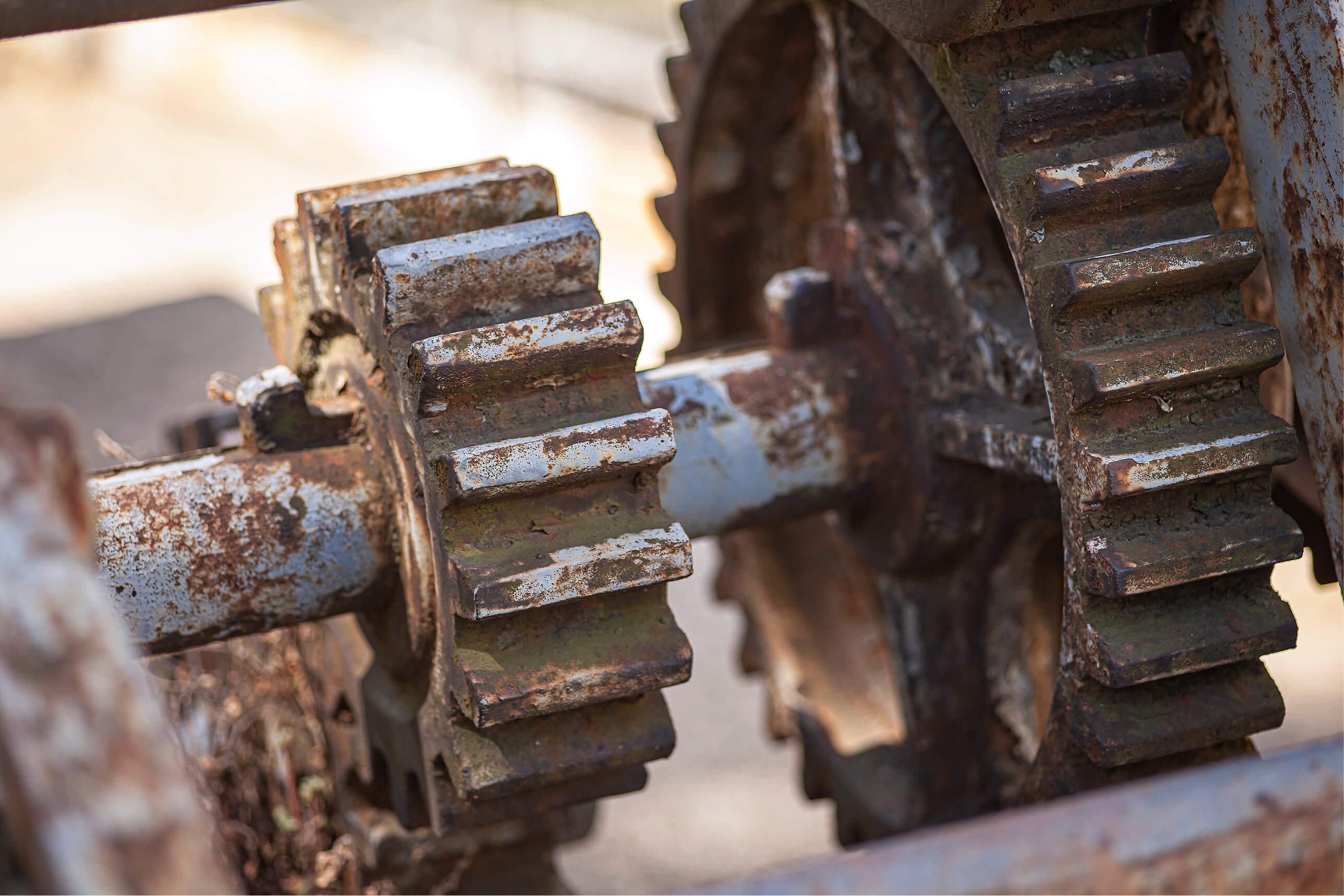
If you run PTO-powered equipment long enough, you will eventually have a driveline problem. A shaft that starts vibrating. A cross kit that gives out mid-season. A guard that is cracked and overdue for replacement.
Most PTO shaft failures follow predictable patterns. The damage does not happen overnight. There are warning signs, and if you know what to look for, you can catch problems early before they get expensive.
This applies whether you are running a rotary cutter on the farm, powering an auger at a grain facility, or driving a pump or spreader on any kind of property. If it runs on a PTO, the problems are the same.
1. Running Too Steep an Angle on Sharp Turns
Standard PTO shafts use u-joints to transmit power while running at an angle. These joints are built to flex, but they have limits. For day to day operation, the angle at each joint should stay as close to straight as possible.
When a tractor or power unit swings around a tight corner with the PTO still engaged, the shaft gets pushed through angles it was never designed to hold under load. Done repeatedly, that is why cross kits wear out faster than they should.
Disengage the PTO before turning. For applications that genuinely need tight turns, the right call is a wide-angle shaft, which is built to handle tighter turns than a standard shaft. Constant velocity (CV) shafts go further still. Give us a call at 519-429-3651 and we can help you find the right shaft for your application.
2. Wrong Shaft Length and Not Enough Tube Overlap
Getting the right shaft length for your setup matters more than most operators realize. A shaft that is too short can pull apart under load. A shaft that is too long creates its own problems. Both cause damage that works its way back into the gearbox.
The right fit depends on your tractor, your implement, and how the two work together. Give us a call at 519-429-3651 and we can help you make sure your shaft is set up correctly for your application.
3. Worn Cross and Bearing Kits
The cross kit is the heart of each u-joint. It is a small cross-shaped steel component with four bearing cups, and it is what keeps power moving smoothly through the shaft at every angle. These are wear items, and they will eventually need replacing.
Grab the shaft near a u-joint with everything stationary, engine off, key out. Try to move it side to side and front to back. Any noticeable play, movement you can both feel and see, means the bearings are worn and the kit needs replacing.
Also check the bearing caps for rust bleed, a reddish-brown staining at the edges. Caps showing rust bleed are done even without obvious play.
Catching cross kit wear early means a quick, low-cost replacement. Waiting means the wear spreads to the yoke, the forked connector that holds the cross kit, and you are looking at a whole new shaft.
4. Seized or Worn Telescoping Splines
The splines are the interlocking teeth inside the telescoping tubes that keep everything aligned while allowing the shaft to slide. When they run dry or get contaminated, they corrode, develop flat spots, and eventually seize up. A shaft that cannot slide freely pushes forces directly into the implement gearbox, and that seal damage will cost you far more than fixing the shaft would have.
Compress and extend the shaft by hand with the PTO disengaged. It should move smoothly. Roughness or stiffness means the splines need attention.
5. Guard Damage and Failed Guard Bearings
The plastic guard surrounding the PTO shaft is designed to stay still while the shaft inside it spins. Small bearings at each end of the guard housing are what make that possible.
When those bearings fail, the guard starts turning with the shaft. At that point, contact with it during operation is just as dangerous as contact with the shaft itself.
Before every use, give the outer guard a spin by hand with the PTO disengaged. It should rotate freely. If it is stiff, dragging, or turning with the shaft during operation, get the guard bearings serviced before using the equipment again.
Cracked guards, missing sections, or broken retaining clips need replacing before the equipment goes back into service. Do not put it back in service until it is fixed.
Frequently Asked Questions
What is the maximum operating angle for a standard PTO shaft?
It depends on the shaft type and series. Running past the rated angle regularly is one of the fastest ways to wear out cross kits. Reach out and we can help you figure out whether your setup is running within the right range.
How do I know if my cross kit needs replacing?
Move the shaft side to side and front to back at each u-joint with everything stationary. Any noticeable play means the bearings are worn. Rust bleed at the bearing caps, clicking sounds during operation, and new vibration are all additional signs.
Can I use any PTO shaft on any tractor?
Not interchangeably. PTO shafts need to match the tractor's spline specification (6-spline for 540 RPM, 21-spline for 1000 RPM in most applications), the power demands of the implement, and the correct length for the hitch setup. When in doubt, reach out and we can help you match the right shaft to your equipment.
------
Need help identifying the right replacement part? Call us at 519-429-3651 or contact the Scholten's team online. We are based in Simcoe, Ontario and ship parts from the Maritimes to Ontario, with service across Canada. If you need it, we either have it, can repair it, or can source it.